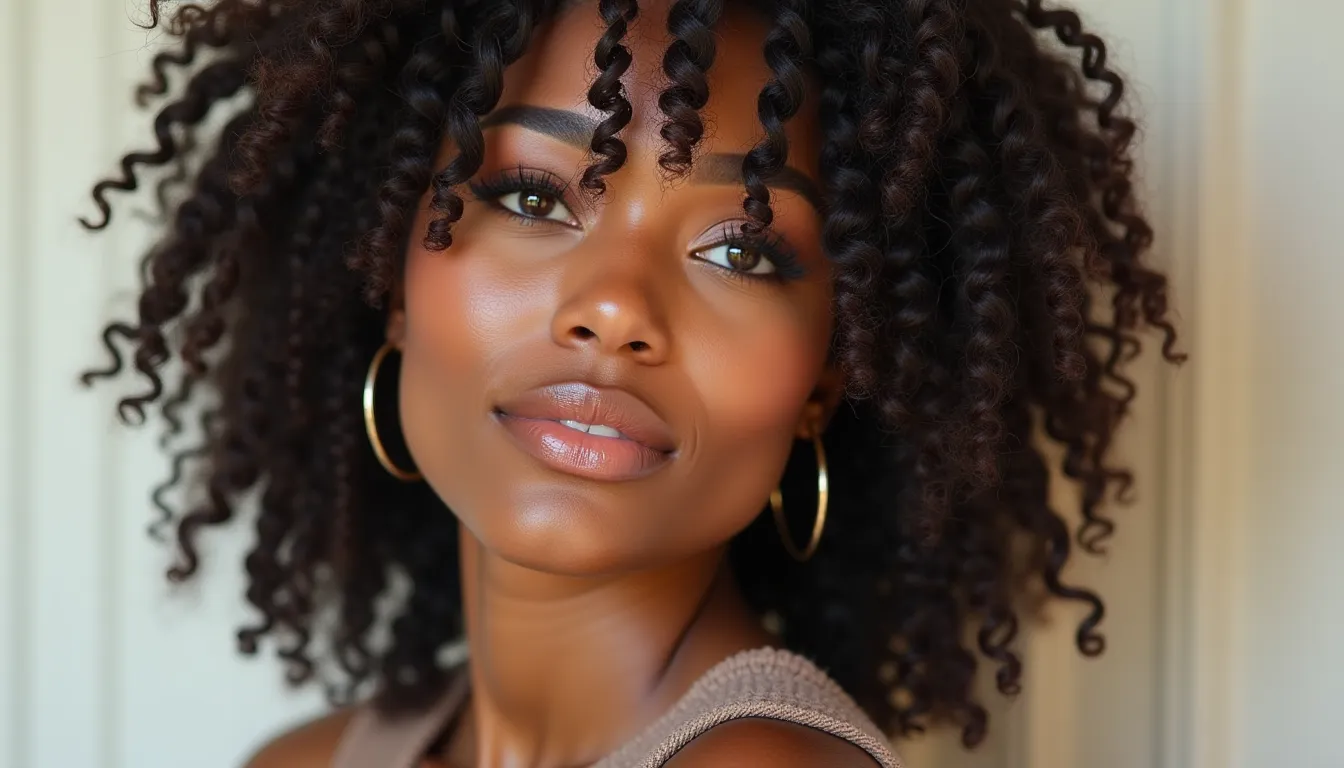
Protective Crochet Hair Styles – Stylish & Effortless Looks
Introduction to Crochet Hair Styles
Crochet hair styles have revolutionized the world of protective styling, offering a versatile, low-maintenance alternative to traditional braiding and weaving techniques. This innovative method involves creating cornrows as a foundation, then using a crochet needle to loop pre-styled hair extensions through the braids. The result is a stunning, natural-looking style that protects your natural hair while offering endless creative possibilities.
What makes crochet hair styles so appealing is their unique combination of benefits. They’re faster to install than traditional braids, gentler on your edges and scalp, and offer incredible versatility in texture, length, and color. Whether you want bouncy curls, sleek locs, bohemian waves, or kinky twists, crochet methods can achieve virtually any look you desire.
Beyond their aesthetic appeal, crochet hair styles serve as excellent protective styling. By tucking away your natural hair beneath the cornrow foundation, you shield it from daily manipulation, heat damage, and environmental stressors. This protection promotes hair growth and health while allowing you to experiment with different looks without commitment. With proper care, crochet styles can last 4-8 weeks, making them both practical and beautiful.
Table of Contents
Essential Tools for Crochet Hair Styles
Having the right tools makes the crochet installation process smoother and ensures professional-looking results that last.
Crochet Hooks and Needles:
- Latch hook (the most common and beginner-friendly option)
- Crochet needle with a hook end
- Different sizes for varying hair thickness
- Metal hooks are more durable than plastic versions
Hair Extensions:
- Pre-looped crochet hair (easiest for beginners)
- Synthetic or human hair extensions
- Various textures: curly, wavy, straight, kinky, or loc-style
- Choose hair that matches your desired length and volume
- Multiple packs depending on fullness desired (typically 4-8 packs)
Braiding Essentials:
- Rattail comb for precise parting
- Edge control gel for smooth cornrows
- Hair clips to section and hold hair
- Small rubber bands (optional, for securing cornrow ends)
Styling Products:
- Moisturizing leave-in conditioner
- Light oil or hair serum
- Mousse or setting foam for curly styles
- Edge control for finishing touches
- Shine spray for added luster
Maintenance Tools:
- Satin or silk bonnet for nighttime protection
- Spray bottle for refreshing styles
- Wide-tooth comb or fingers for gentle detangling
- Scissors for trimming and customizing
Optional Accessories:
- Beads for decoration
- Hair cuffs and rings
- Colorful threads for wrapped accents
- Headbands and scarves
Investing in quality tools, especially a good latch hook, will make your crochet experience much more enjoyable and produce better results.
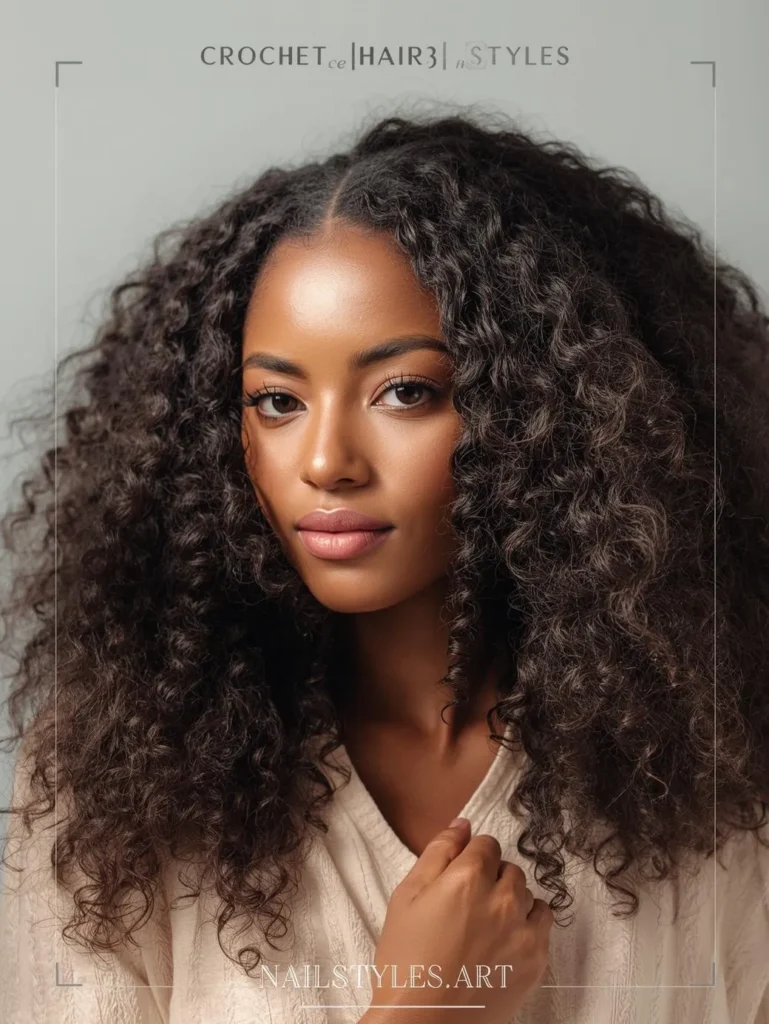
Preparing Your Hair for Crochet Styles
Proper preparation is crucial for achieving long-lasting crochet hair styles and maintaining your natural hair’s health throughout the protective styling period.
Deep Cleansing: Start with thoroughly clean hair using a clarifying shampoo to remove product buildup, oils, and impurities. This creates a fresh foundation for your style. Follow with a moisturizing conditioner to ensure your hair is soft and manageable.
Deep Conditioning Treatment: Apply a deep conditioning treatment or hair mask and leave it on for at least 20-30 minutes. Your natural hair will be tucked away for several weeks, so maximum moisture is essential. Rinse thoroughly and gently towel-dry your hair.
Detangle Completely: Use a wide-tooth comb or detangling brush to remove all knots and tangles. Work from ends to roots to minimize breakage. This step is crucial because tangled hair makes braiding difficult and can cause discomfort.
Moisturize and Seal: Apply a leave-in conditioner throughout your hair, then seal in moisture with a light oil like jojoba, coconut, or argan oil. Pay special attention to your ends, which are most vulnerable to dryness.
Create the Cornrow Foundation: Part your hair into sections based on your desired style. For most crochet styles, horizontal or diagonal cornrows work best. Braid your hair flat against your scalp in neat, consistent cornrows. The pattern can be simple straight-back cornrows or more creative patterns depending on your preference.
Cornrow Braiding Tips:
- Keep braids medium-sized, not too tight or too loose
- Avoid excessive tension, especially around your hairline
- Secure ends with small rubber bands or by tucking them under
- Ensure all your natural hair is braided down smoothly
- The number of cornrows depends on desired fullness (typically 6-12 braids)
Your cornrow foundation should lie flat, feel comfortable, and provide a secure base for attaching the crochet hair.
Popular Crochet Hair Styles: Step-by-Step Instructions
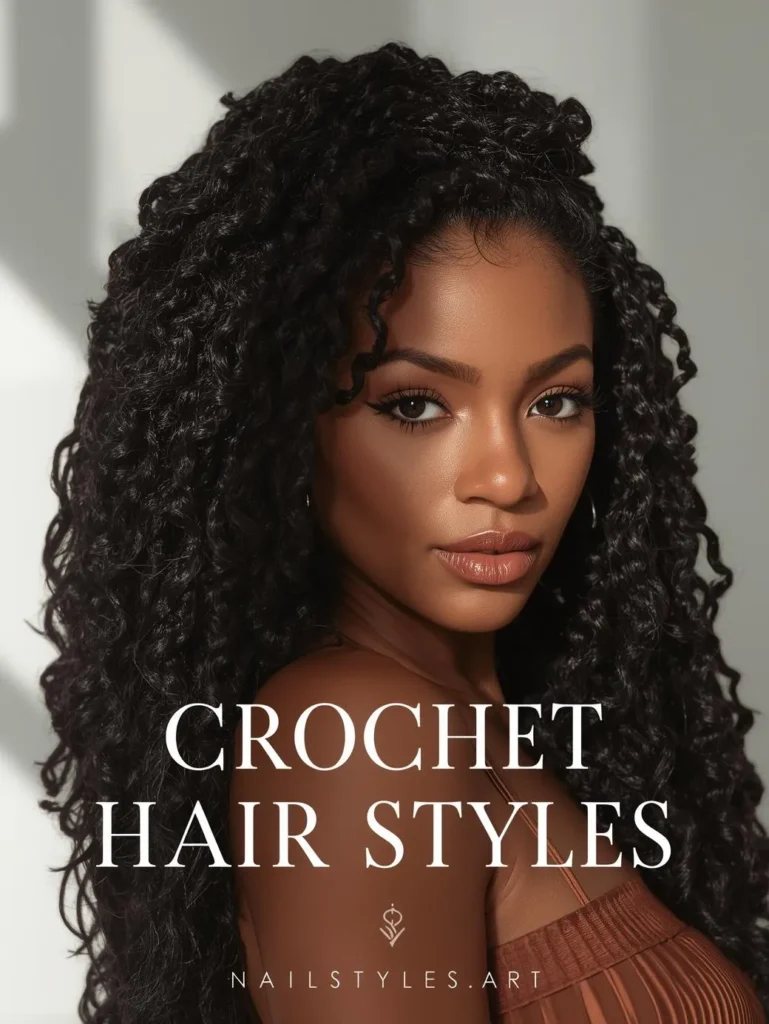
Crochet Box Braids – Classic Protective Style
Crochet box braids deliver the iconic look of traditional box braids with a fraction of the installation time and tension on your scalp.
Step 1: Prepare Your Foundation Create 6-8 horizontal cornrows across your head from front to back. Keep them evenly spaced and moderately tight.
Step 2: Select Your Hair Choose pre-looped box braid crochet hair in your desired length and color. Kanekalon or synthetic hair works beautifully for this style.
Step 3: Start at the Nape Begin installing from the back/nape area and work toward the front. This creates a more natural appearance.
Step 4: Insert the Crochet Hook Push your latch hook under the cornrow from front to back. Open the latch to create space for the hair.
Step 5: Attach the Hair Place the looped end of the crochet hair onto the hook. Close the latch and pull the hair back through the cornrow. The loop should come through cleanly.
Step 6: Pull Hair Through the Loop Take the ends of the crochet hair and pull them through the loop you just created. Pull tight to secure the hair to your cornrow.
Step 7: Continue the Pattern Work across each cornrow, spacing crochet hair evenly (approximately every 1-2 inches). Stagger placement between rows for natural fullness.
Step 8: Blend and Style Once all hair is installed, gently separate braids if they’re too bulky. Dip ends in hot water if using synthetic hair to seal them. Style as desired.
Faux Locs Crochet Hair Styles
Faux locs offer the beauty of traditional locs without the long-term commitment, and crochet installation makes them quick and manageable.
Step 1: Create Your Base Cornrow your hair in 6-10 straight-back braids, depending on how full you want your locs to appear.
Step 2: Choose Faux Loc Hair Select pre-made faux loc crochet hair in your preferred texture (distressed, goddess locs, or smooth) and length.
Step 3: Begin Installation Start at the nape and work upward. Insert your crochet hook under the cornrow at your desired starting point.
Step 4: Loop the Hair Pull the looped end of the faux loc through the cornrow using the latch hook method. Ensure the loop is secure.
Step 5: Pull Ends Through Thread both ends of the faux loc through the loop and pull tight. The loc should sit securely against your scalp.
Step 6: Space Evenly Install locs approximately 1-1.5 inches apart along each cornrow. Maintain consistent spacing for a uniform appearance.
Step 7: Layer for Volume Install additional locs between previous ones to create fullness and dimension. Vary the placement slightly for a natural look.
Step 8: Finish and Customize Once complete, you can leave ends loose, curl them, or wrap them with thread for added detail. Apply a light oil or loc spray for shine.
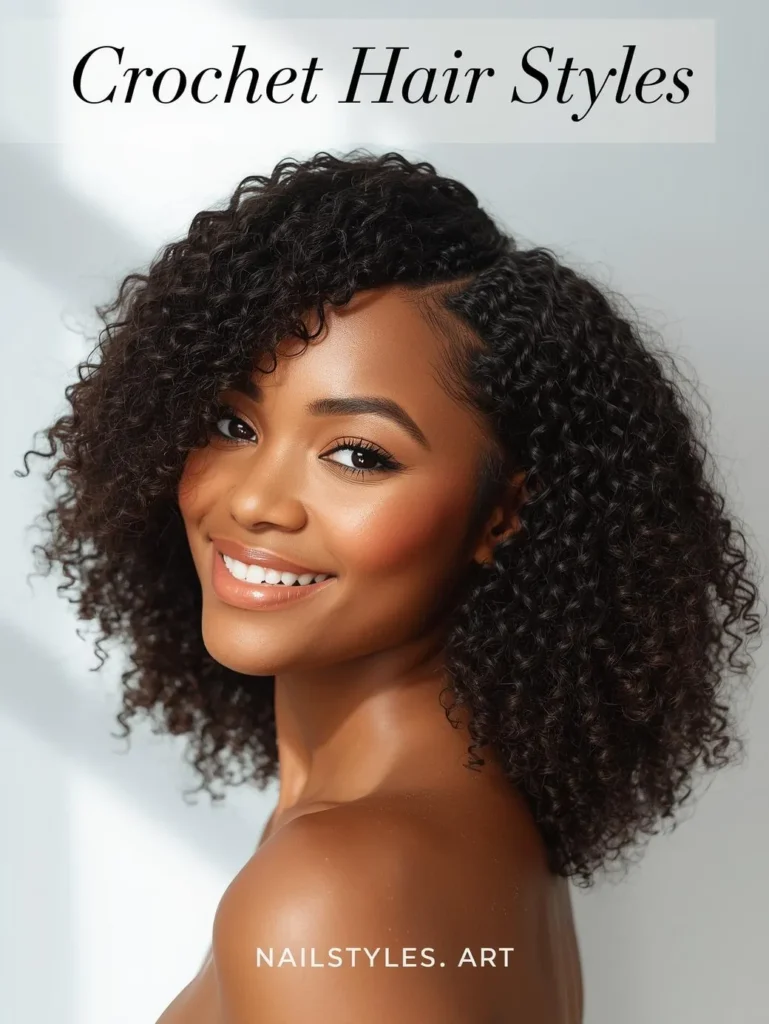
Curly Crochet Hair Styles
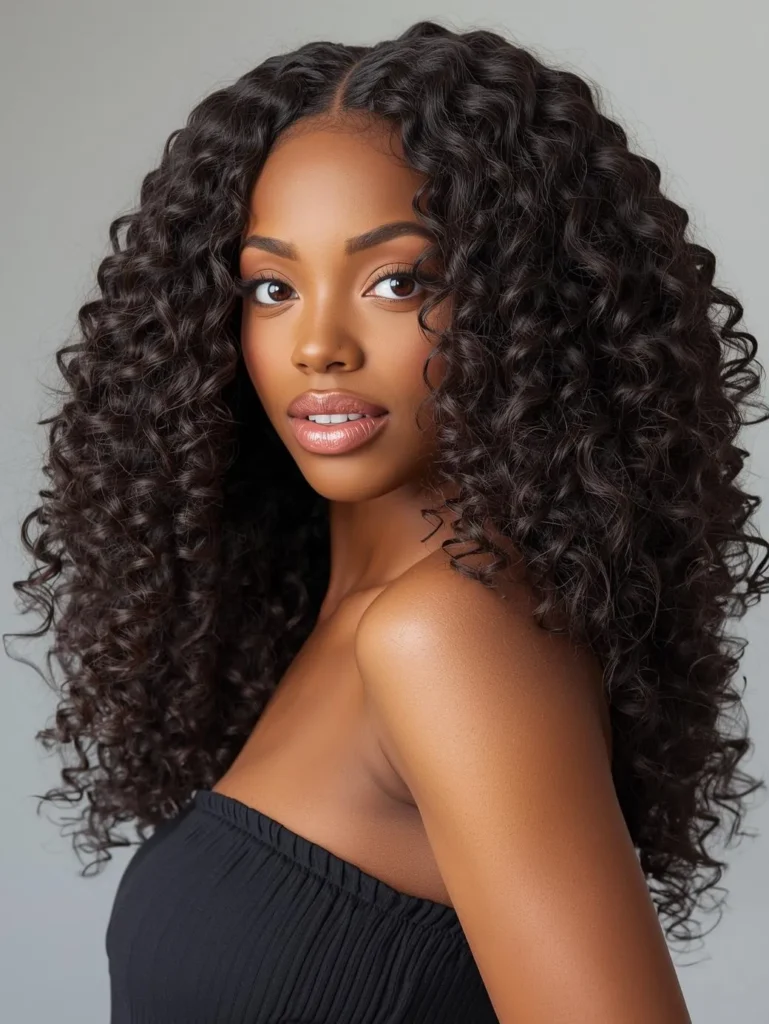
Curly crochet hair styles create beautiful, voluminous looks perfect for those seeking big, bouncy curls with minimal daily styling.
Step 1: Establish Cornrow Pattern Create 8-12 cornrows in a beehive or circular pattern for maximum volume, or use straight-back cornrows for a sleeker look.
Step 2: Select Curly Hair Choose crochet hair in your desired curl pattern (water wave, deep wave, Jerry curl, or bohemian curl). Consider mixing textures for dimension.
Step 3: Start at the Bottom Begin installing at the nape, working in horizontal rows toward the crown. This layering creates natural volume.
Step 4: Install Using Latch Method Insert the hook under the cornrow, grab the looped hair, and pull it through. Thread the ends through the loop and secure.
Step 5: Cut Loops for Fuller Look If using looped curly hair, cut the loops after installation to create individual curl strands. This doubles the volume and creates a more natural appearance.
Step 6: Separate Curls Gently Use your fingers to gently separate and fluff the curls. Avoid over-manipulating, which can cause frizz.
Step 7: Shape and Define Apply mousse or curl-defining cream to enhance curl pattern. Scrunch curls upward to add bounce and definition.
Step 8: Customize Your Look Leave hair down for maximum volume, pull half up for versatility, or create side parts and different styling options.
Crochet Twist Hair Styles
Crochet twists, including Senegalese twists, Havana twists, and Marley twists, offer a sophisticated, elegant protective style.
Step 1: Prepare Foundation Braids Create 6-8 cornrows going straight back or in your preferred pattern. Keep them neat and flat.
Step 2: Choose Twist Hair Select pre-twisted crochet hair or individual strands you’ll twist yourself. Pre-twisted saves significant time.
Step 3: Install at the Nape Begin at the back and work forward. Insert your latch hook under the first cornrow.
Step 4: Attach the Twist Pull the looped twist through the cornrow using your hook. Thread both ends through the loop and pull tight.
Step 5: Maintain Consistent Spacing Place twists about 1-2 inches apart along each cornrow. Stagger placement between rows for natural fullness.
Step 6: Add Volume Layers Install additional twists between your first round of installation to create fullness and eliminate any visible cornrows.
Step 7: Seal the Ends Dip synthetic twist ends in hot water briefly to seal them. For a natural taper, twist ends with your fingers while dipping.
Step 8: Style as Desired Arrange twists in various styles: ponytails, buns, half-up looks, or leave them flowing freely. Apply light oil for shine.
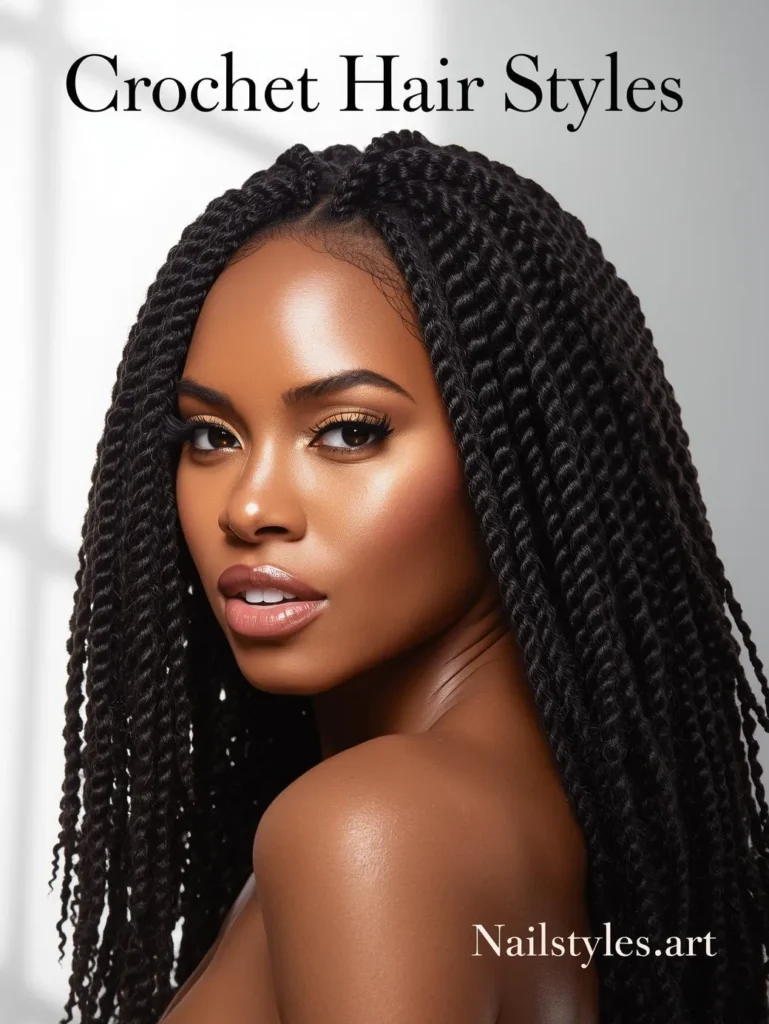
Styling Tips for a Natural Look with Crochet Hair Styles
Achieving a seamless, natural appearance with crochet hair styles requires attention to detail and a few expert techniques.
Blend Your Hairline: Leave out a small section of your natural hair around the perimeter before creating cornrows. After installing crochet hair, wrap or braid this natural hair over the installed hair to conceal the attachment points. This creates an undetectable hairline that looks completely natural.
Layer Your Installation: Don’t install all hair in uniform rows. Vary the placement, create layers at different heights, and stagger the spacing. This dimensional approach mimics how natural hair grows and prevents the “wiggy” look of uniform installation.
Customize the Part: Create realistic parts by installing less hair in the area where you want to part your hair. You can also use concealer or colored eyeshadow that matches your scalp on any visible cornrows for added realism.
Trim and Shape: Don’t be afraid to customize your crochet hair with scissors. Trim pieces to different lengths, add layers for movement, or create face-framing pieces. This personalization makes the style uniquely yours.
Add Baby Hairs: Use edge control and a small brush to create or style baby hairs around your hairline. This finishing touch adds authenticity and frames your face beautifully.
Mix Textures: Combine different hair textures for added dimension. Use slightly different curl patterns or mix colors within the same family for a sun-kissed, natural look.
Accessorize Thoughtfully: Enhance your crochet hair styles with accessories that complement rather than overpower. Headbands, scarves, hair cuffs, and decorative pins can elevate your look while maintaining a natural vibe.
Control Shine: Excessive shine can make synthetic hair look fake. Use a dry shampoo or light powder to reduce shine, or choose human hair for the most natural appearance.
Hair Care Tips for Crochet Styles
Proper maintenance keeps your crochet hair styles looking fresh and protects your natural hair underneath.
Nighttime Protection: Always wear a satin or silk bonnet, scarf, or use a silk pillowcase when sleeping. This prevents frizz, maintains curl patterns, and reduces tangling. For bulky styles, use a large bonnet or pineapple method.
Keep Your Scalp Clean: Mix water, witch hazel, and tea tree oil in a spray bottle. Part sections and spray directly onto your scalp, then gently massage. This prevents itching and buildup without requiring you to remove the style.
Moisturize Regularly: Spray your crochet hair with a mixture of water, leave-in conditioner, and oil every 2-3 days. Focus on the hair itself rather than the scalp to maintain its texture and prevent dryness.
Maintain Your Edges: Apply edge control and wear a silk scarf for 10-15 minutes daily to keep edges smooth. Be gentle with your hairline, as this area is most vulnerable to tension and breakage.
Refresh Curly Styles: For curly crochet hair, lightly mist with water, apply mousse, and scrunch to reactivate curl pattern. You can also use a curling wand on low heat to refresh specific sections.
Address Frizz: Apply a small amount of mousse or styling gel to frizzy areas, smooth with your hands, and allow to air dry. For synthetic hair, you can carefully use hot water to reset curls.
Limit Product Buildup: Use lightweight products sparingly. Heavy products can cause buildup on both the crochet hair and your cornrows, leading to itching and an unkempt appearance.
Know When to Remove: Most crochet styles last 4-8 weeks. Remove them sooner if you experience excessive itching, notice matting at the roots, or if your cornrows become too loose.
Frequently Asked Questions About Crochet Hair Styles
Q: How long does it take to install crochet hair styles? A: Installation time varies depending on the style and your experience level. On average, crochet styles take 2-4 hours to complete. Simple styles like basic curls may take only 2 hours, while intricate patterns or very long hair can take 4-5 hours. This is significantly faster than traditional braiding methods, which can take 6-12 hours.
Q: Can I install crochet hair styles on short natural hair? A: Yes, you can install crochet hair on very short natural hair, as long as it’s at least 1-2 inches long and can be braided into flat cornrows. The cornrows don’t need to be long; they just need to provide a foundation for hooking the crochet hair. Crochet methods are actually ideal for short hair because they add instant length and volume.
Q: What’s the difference between pre-looped and individual crochet hair? A: Pre-looped crochet hair comes with the loop already attached, making installation much faster and easier, especially for beginners. Individual crochet hair requires you to create your own loop or use a different attachment method. Pre-looped is more convenient but may cost slightly more, while individual strands offer more customization in how you attach them.
Q: How do I remove crochet hair styles without damaging my natural hair? A: Removal is straightforward when done carefully. Cut the crochet hair close to where it’s attached to the cornrow, being careful not to cut your natural hair. Gently unravel each piece from the cornrow. Once all crochet hair is removed, carefully unbraid your cornrows. Apply oil to help loosen any tangles, then gently detangle before washing. The entire process takes 30-60 minutes.
Q: Can I wash crochet hair styles? A: Yes, you can wash crochet hair styles, though it’s not necessary as frequently as washing loose natural hair. Focus on cleansing your scalp with a diluted shampoo in a spray bottle or applicator bottle, massaging gently, then rinsing carefully. Avoid harsh scrubbing that can cause frizz. Wash every 1-2 weeks, and allow hair to air dry or use a hooded dryer on low heat.
Q: Are crochet hair styles better than sew-ins or traditional braids? A: Each method has advantages. Crochet hair styles install faster than traditional braids and create less tension than sew-ins, making them gentler on edges and scalp. They’re also easier to remove and more versatile in styling. However, traditional braids may last longer, and sew-ins can sometimes look more uniform. Crochet is ideal for those wanting protective styling with less commitment, more versatility, and easier DIY installation.
Q: What type of crochet hair looks most natural? A: Human hair crochet extensions look most natural but cost significantly more. For synthetic options, choose hair with a matte finish rather than glossy, select colors that match or complement your natural hair, and consider textures that blend with your natural pattern. Water wave, passion twists, and distressed faux locs tend to look especially natural. Proper installation technique and blending your hairline also contribute significantly to a natural appearance.
Conclusion: Embrace the Versatility of Crochet Hair Styles
Crochet hair styles represent the perfect marriage of protection, style, and convenience in the world of natural hair care. These versatile techniques allow you to experiment with countless looks—from bohemian curls to sleek locs, from colorful braids to elegant twists—all while keeping your natural hair safely tucked away and thriving.
What makes crochet methods truly special is their accessibility. Whether you’re a complete beginner or an experienced hair enthusiast, you can master these techniques with practice and patience. The installation process is faster and gentler than many alternatives, the styles last for weeks with proper care, and the creative possibilities are virtually endless.
By following the step-by-step instructions, preparation tips, and maintenance guidelines in this comprehensive guide, you’re well-equipped to create stunning crochet hair styles in the comfort of your home. Start with a simple style like basic curls or twists, familiarize yourself with the latch hook technique, and gradually expand your repertoire as your confidence grows.
Remember that crochet hair styles are not just about achieving a beautiful look—they’re about protecting your natural hair, promoting healthy growth, and expressing your unique style and personality. So gather your tools, choose your favorite hair texture, and embark on your crochet journey. Your hair will thank you for the protection, and you’ll love the compliments that come with your gorgeous, effortless new look.